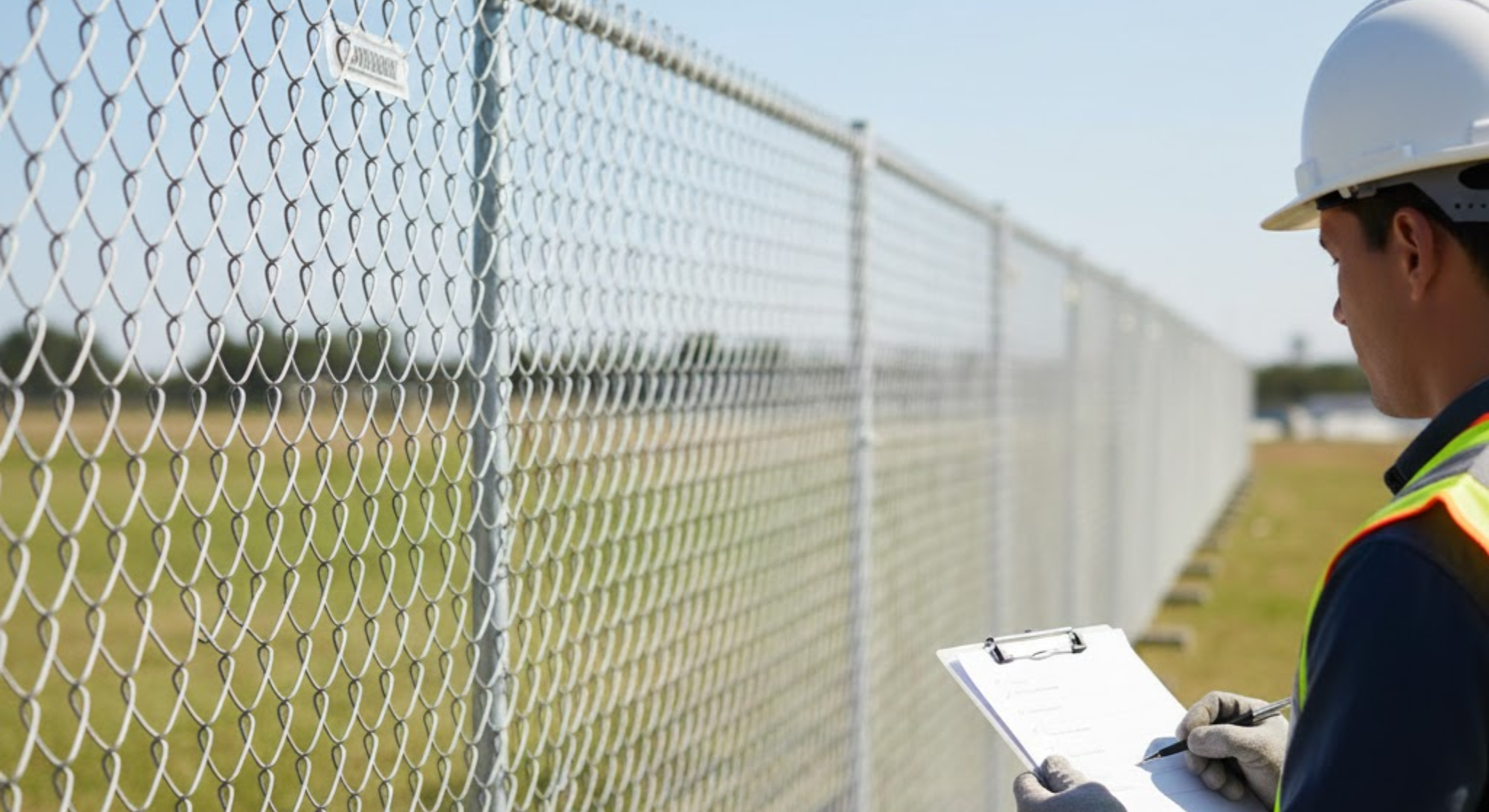
Securing a construction site, a special event, or a temporary work zone is a critical responsibility that demands more than just a roll of wire and a few posts. Temporary fencing is the first line of defense against theft, liability, and public safety hazards. For project managers and event organizers, the challenge often lies not in realizing the need for a fence, but in finding a rental partner capable of delivering reliability, compliance, and quality.
The market is flooded with providers, but they are not all created equal. Some offer rock-bottom prices but fail to show up on time; others lack the necessary inventory to handle large-scale perimeters. Understanding the nuances of temporary fencing, from panel stability to gate access, is essential for keeping your project on track and within budget.
Assessing Your Specific Project Needs
Before picking up the phone to call a rental company, you must have a clear understanding of your site’s specific requirements. Different scenarios demand drastically different fencing solutions.
Construction and Demolition Sites
For active work zones, security and durability are paramount. You are not just keeping intruders out; you are keeping debris and hazards in. Chain link panels with heavy-duty stands are the standard here. You may also require windscreens (privacy mesh) to reduce dust travel and visual distractions for drivers. Stability is key, as these fences often stay up for months through varying weather conditions.
Special Events and Crowd Control
Concerts, festivals, and parades have different goals: guiding foot traffic and protecting VIP areas. Here, the aesthetics matter more. You might need “bike rack” barricades for ticket lines or upscale white picket vinyl fencing for VIP enclosures. The vendor you choose must have a diverse inventory that goes beyond industrial chain link.
Emergency Services
In the wake of a fire, storm, or accident, immediate security is needed to preserve a scene or protect property. In these cases, the speed of deployment is the single most important factor. You need a partner who offers 24/7 emergency dispatch.
Evaluating Vendor Capabilities
When vetting potential rental companies, you need to look at their operational capacity. A small provider might handle a backyard renovation but could struggle with a multi-acre commercial development.
Reliability and Logistics Can the company guarantee a delivery window? On a tight construction schedule, a delay of even a few hours can bottleneck other trades. Ask about their fleet size and their track record for on-time delivery. Furthermore, inquire about their installation and removal policy. The best companies handle the complete setup and takedown, leaving your team free to focus on the actual construction work.
Safety and Compliance Temporary fencing is subject to local zoning laws and safety regulations. A fence that falls over in a windstorm is a massive liability. Many project managers ask How to Select the Right Master Fence Rental to ensure they avoid these liabilities. To select the right fence rental company, compare experience, inventory, and customer support. Look for providers like Master Fence Rental that offer a range of temporary fence types, clear pricing, fast setup, and compliance with OSHA and city ordinances.
The Importance of Material Quality
The physical condition of the rental stock speaks volumes about the company. Fencing that is bent, rusted, or has broken welds is not just an eyesore; it is a security weakness.
- Panel Integrity: Check that the wire mesh is taut and securely welded to the frame. Loose wires can cause injury to pedestrians.
- Base Stability: The stands or feet of the fence must be heavy enough to anchor the panel. In high-wind areas, ask if the vendor provides sandbags or additional bracing systems.
- Gate Functionality: Access points are critical. Whether you need a sliding gate for trucks or a pedestrian swing gate, the hardware must be functional and lockable. A gate that drags on the ground or doesn’t latch properly defeats the purpose of the fence.
Customer Service and Transparency
The rental industry is service-based. Pricing should be transparent, with no hidden fees for delivery, setup, or fuel surcharges. A reputable company will provide a detailed quote that breaks down the rental period (weekly vs. monthly) and clearly states the terms for damage waivers.
Customer support extends beyond the initial order. If a section of fence is damaged by a vehicle or a storm, how quickly can the company send a crew to repair it? Your site remains vulnerable until that repair is made. Responsiveness is a hallmark of a professional master fence rental provider.
Making the Final Decision
Ultimately, the goal is peace of mind. You want a perimeter that you don’t have to worry about. By focusing on experience, inventory diversity, safety compliance, and responsiveness, you can secure a partner who contributes to the success of your project rather than hindering it.
Frequently Asked Questions (FAQ)
Q: Do I need a permit for temporary fencing?
A: This depends entirely on your local municipality and the location of the fence. If the fence encroaches on public property (like a sidewalk or street), a permit is almost always required. Your fence rental provider should be able to guide you on local regulations.
Q: What is the standard height for temporary construction fencing?
A: The most common height for construction site fencing is 6 feet. However, 8-foot panels are often available for sites requiring higher security. Crowd control barricades are typically shorter, around 43 inches high.
Q: Can I attach signage or banners to rental fencing?
A: Yes, but you must consult the rental company first. adding banners increases the “wind load” on the fence, which may require additional sandbags or bracing to prevent the fence from blowing over.