For Austin homeowners, a swimming pool is a sanctuary from the blistering Texas heat. However, like any major home feature, it requires upkeep. The interior finish, the plaster, is the waterproof layer that gives the pool its look and feel. Over 10 to 15 years, this surface degrades, becoming rough, stained, or cracked. When it comes time to resurface, the first question on every homeowner’s mind is: How much is this going to cost?
Understanding the financial landscape of pool renovation is essential. It is not just about the sticker price; it is about understanding what you are paying for in terms of materials, labor, and longevity. The cost of hiring a pool plastering Austin varies significantly based on the scope of the project and the quality of the finish selected.
Breakdown of Cost Factors
Several variables will dictate the final estimate you receive from a contractor.
1. Pool Size and Depth
This is the most obvious factor. Plastering is priced by the square foot of the interior surface area. A massive freeform diving pool will require significantly more material and man-hours than a small geometric play pool. Depth matters too; deep ends require more scaffolding and labor to trowel effectively.
2. Prep Work and Demolition
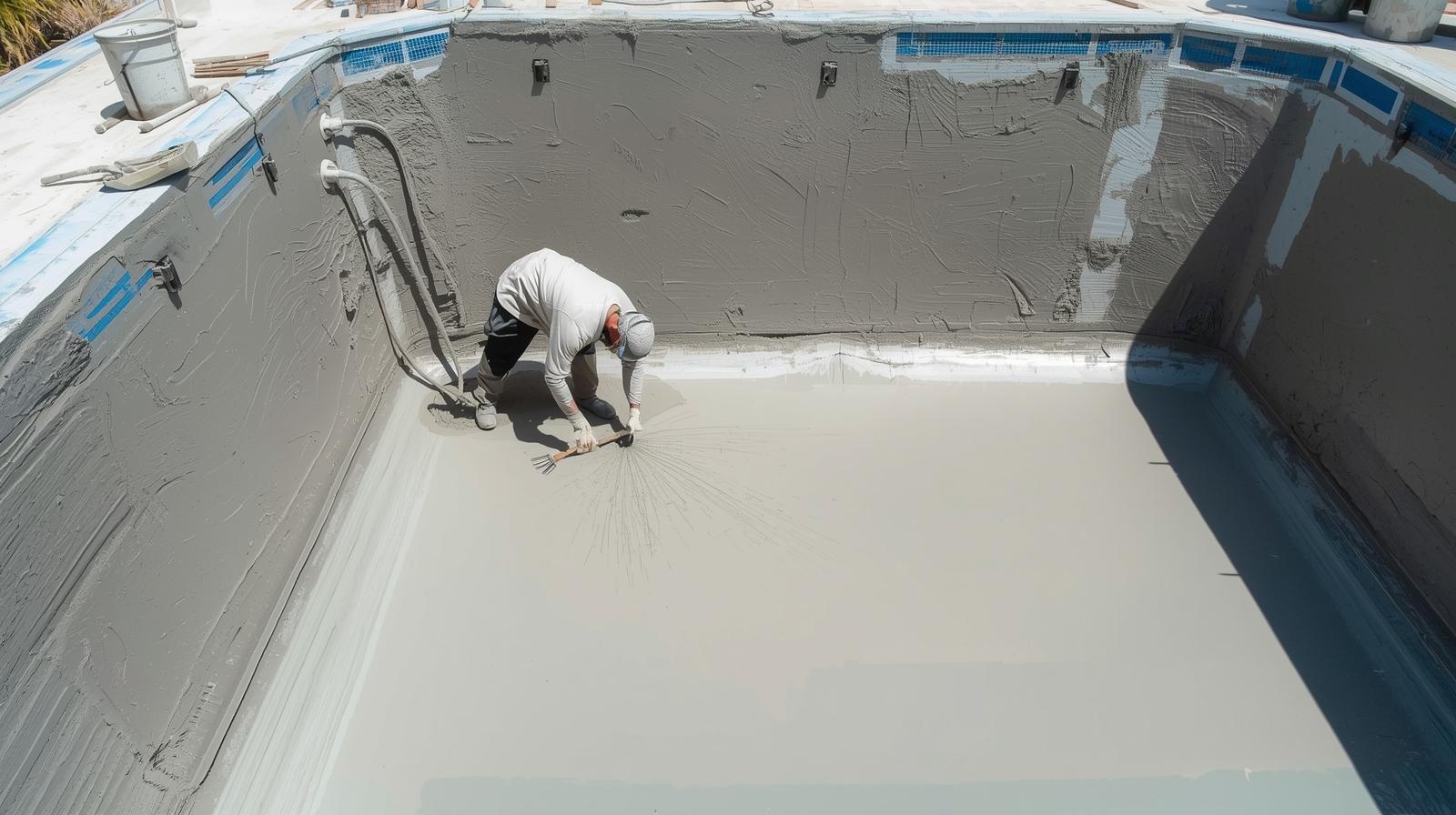
You cannot simply slap new plaster over old plaster. The existing surface must be prepared to ensure a mechanical bond.
- Standard Prep: This usually involves a “bond coat” application.
- Chip Out: If the old plaster is delaminating (peeling away from the gunite shell) or if there are multiple layers of old plaster, a full chip-out is required. This is labor-intensive demolition work that can add $$1,000 to $$2,500+ to the project cost.
3. Tile and Coping
While not strictly “plastering,” most homeowners choose to replace the waterline tile and coping (the stone edge around the pool) at the same time. Since the pool is already drained, it is the most cost-effective time to do it. This will obviously increase the total project budget but saves money compared to doing it separately later.
Material Options: Good, Better, Best
The biggest variable in the price tag is the finish material you choose.
Standard White Plaster (The Economy Option) This is the classic mix of white cement and marble dust. It is the most affordable option, offering a smooth texture and that traditional light blue water color. However, it is the least durable, typically lasting 5-7 years before showing signs of wear.
Quartz Aggregate (The Mid-Range Option) By adding crushed quartz to the mix, the plaster becomes harder and more resistant to chemical staining. It also adds a subtle sparkle and allows for color variations like blue or grey. Expect to pay 20-30% more than white plaster, but gain a longer lifespan (10-12 years).
Pebble Finishes (The Premium Option) Pebble finishes consist of small river stones embedded in cement. They are incredibly durable, non-slip, and resistant to algae and staining. They offer a natural, high-end look. This option is the most expensive, often costing 40-60% more than standard plaster, but can last 20+ years.
Getting a Clear Estimate
It is vital to get a written quote that details exactly what is included. The Cost of Hiring a Pool Plastering Austin can be managed effectively when you understand these tiers. The cost of pool plastering in Austin depends on pool size, chosen finish, and surface condition. Basic white plaster starts around $5,000, while upgraded pebble or quartz options can exceed $10,000. Clear Solutions offers detailed quotes and finish guidance for every budget.
Before signing a contract, it is wise to research the company’s reputation. You can read customer reviews to see how past clients felt about the value they received. A slightly higher price from a reputable contractor is often worth it to avoid the costs of fixing a botched job later.
ROI and Home Value
Investing in a high-quality pool resurfacing is not just a maintenance cost; it adds value to your home. In the competitive Austin real estate market, a pool with a stained, rough bottom is a liability that buyers will want to deduct from the asking price. A newly plastered pool with a modern pebble finish is a major selling point that signals the home has been well-cared for.
By weighing the upfront costs against the expected lifespan of the material, Austin homeowners can make a decision that fits both their bank account and their backyard dreams.
Frequently Asked Questions (FAQ)
Q: Does the cost of plastering include filling the pool with water?
A: No. The homeowner is responsible for the cost of the water used to fill the pool. In Austin, this is done via your garden hose. You should check with your local water utility to see if they offer a sewer credit for pool fills, which can save money on your water bill.
Q: Are there any hidden costs I should be aware of?
A: Potential hidden costs include repairing cracks in the pool shell (which can only be seen once the pool is drained) or replacing the main drain covers to meet modern safety codes (VGB Act compliance), which is often mandatory during renovation.
Q: Why is pebble finish so much more expensive?
A: It requires more expensive raw materials (the stones) and a more labor-intensive installation process. The crew must apply the material and then wash away the top layer of cement to expose the pebbles, a delicate process requiring high skill.