Endorsed by leading international type 1 diabetes associations, guidance provides clear actions for integrating screening into the healthcare setting
NEW YORK, Sept. 10, 2026 /PRNewswire/ — A Breakthrough T1D-convened paper published today in Diabetologia titled “International consensus guidance for general population screening for islet autoantibodies to diagnose early-stage type 1 diabetes” outlines the first framework for implementing general population screening for type 1 diabetes (T1D) in clinical practice. The guidance was developed by nearly 30 leading T1D experts from around the globe and is backed by a robust body of evidence that demonstrates the value of screening for T1D. Designed for healthcare professionals, the guidance provides clear pathways for identifying who should be screened for T1D, when screening should occur, and how often.
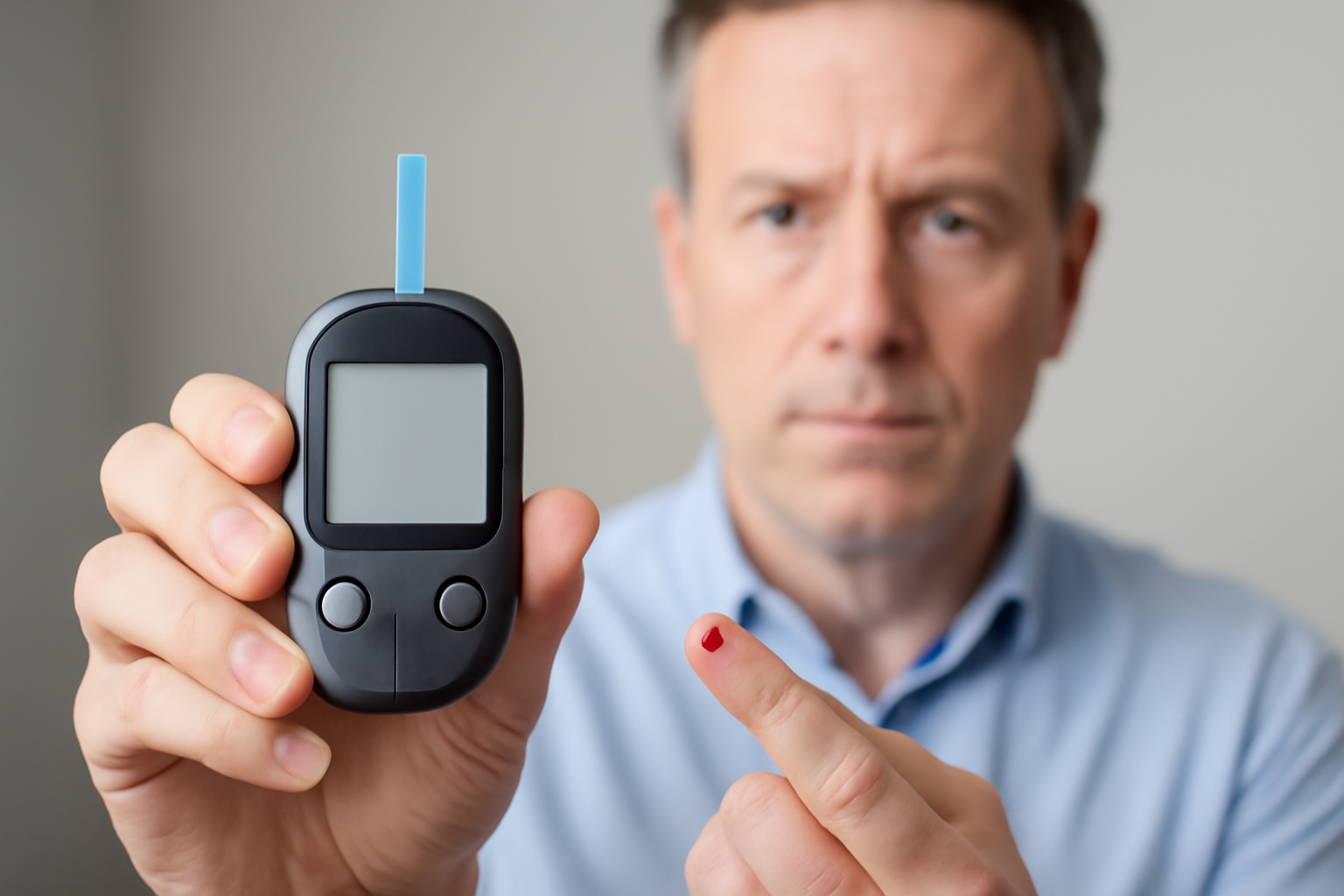
T1D develops in stages, over time, and can be detected long before symptoms are present and insulin therapy is required. A simple blood test can detect the presence of islet autoantibodies, which signal that the body’s immune system is attacking insulin-producing cells. If a person has two or more persistent autoantibodies, they are in stage 1 or 2 T1D, and it is very likely they’ll develop clinical, stage 3 T1D.
The new consensus screening guidance states that screening for T1D should begin in young children aged 2-4 years, with rescreening of children who test negative at ages 6-8 years and again at 10-15 years, aligned with other preventative healthcare visits. It indicates that initial screening results should be confirmed with another test before diagnosis. The new T1D screening guidance builds on and aligns with the consensus monitoring guidance that Breakthrough T1D led in 2024. Together, they provide a comprehensive guide for screening and monitoring for T1D.
Early detection of T1D islet autoantibodies through screening can have significant benefits, including reduced risk of life-threatening complication diabetic ketoacidosis (DKA) at diagnosis, the ability to intervene and delay disease progression through approved therapies, opportunities to access clinical trials for disease-modifying therapies, and time to plan and prepare for future health needs. The ability to detect T1D in its early stages has also led to the development of therapies, like teplizumab, that can delay stage 3 T1D, and catalyzed ongoing research focused on delaying, stopping, and reversing the immune attack that causes T1D.
“Early detection of type 1 diabetes is crucial for the future of T1D care, and this consensus guidance moves us one step closer to a world where everyone is screened and has the opportunity to realize the benefits of screening,” said Anastasia Albanese-O’Neill, Ph.D., Breakthrough T1D Vice President of Medical Affairs. “With this consensus guidance, healthcare professionals have the information they need to begin general population screening for type 1 diabetes in their clinical practices. We’re grateful to the international experts who provided their time and vast experience in the field to develop this guidance, and we look forward to the positive impact this will have for everyone affected by the disease.”
Convened by Breakthrough T1D, the international screening consensus is endorsed and supported by 20 global diabetes societies and organizations including the European Association for the Study of Diabetes, Australian Diabetes Association, International Society of Pediatric and Adolescent Diabetes, Association of Diabetes Care and Education Specialists, Association Belge Du Diabete, Belgian Diabetes Liga, Czech Diabetes Society, Fondazione Italiana Diabete, Pediatric Endocrinology Nursing Society, Portuguese Diabetes Association, Sociedade portuguesa de Diabetologia, Societe Francophone du Diabete, and others.
About Breakthrough T1D, Formerly JDRF
As the leading global type 1 diabetes research and advocacy organization, Breakthrough T1D helps make everyday life with type 1 diabetes better while driving toward cures. We do this by investing in the most promising research, advocating for progress by working with government to address issues that impact the T1D community, and helping educate and empower individuals facing this condition.
About Type 1 Diabetes (T1D)
T1D is an autoimmune condition that causes the pancreas to make very little insulin or none at all. This leads to dependence on insulin therapy and the risk of short and long-term complications, which can include highs and lows in blood sugar; damage to the kidneys, eyes, nerves, and heart; and even death. Globally, it impacts 9.5 million people. Many believe T1D is only diagnosed in childhood and adolescence, but diagnosis in adulthood is common and accounts for nearly 50% of all T1D diagnoses. The onset of T1D has nothing to do with diet or lifestyle. While its causes are not yet entirely understood, scientists believe that both genetic factors and environmental triggers are involved. There is currently no cure for T1D.
Contact:
Casey Fielder
media@BreakthroughT1D.org
509-651-0087
 View original content to download multimedia:https://www.prnewswire.com/news-releases/breakthrough-t1d-convened-paper-outlines-first-international-consensus-guidance-on-general-population-screening-for-early-stage-type-1-diabetes-302875788.html
SOURCE Breakthrough T1D, Formerly JDRF

Distributed by PR Newswire / Cision.