Understanding What an Automotive Basecoat Does
The basecoat layer is responsible for delivering the color and visual character of your vehicle’s finish. It sits between the primer and the clear coat in a typical automotive paint system.
The primer prepares the surface and improves adhesion, while the basecoat provides the color and effects such as metallic, pearl, or solid finishes. After the basecoat is applied, a clear coat layer seals the paint and adds gloss and protection.
Using base coat automotive paint can significantly enhance the final appearance and durability of your vehicle’s paint job. It’s crucial to choose high-quality materials and follow proper application techniques for the best results.
Without a quality basecoat, the paint job may appear dull, uneven, or prone to fading over time. This is why professionals and experienced DIY painters pay close attention to the type and quality of basecoat they select.
Consider the Type of Paint System
Automotive basecoats are available in different paint systems, each designed for specific applications and skill levels.
Waterborne basecoats are increasingly popular due to their lower environmental impact and reduced emissions. Many professional body shops now use water based paints because they comply with environmental regulations and still deliver excellent color performance.
Solvent based basecoats remain common in many repair shops and DIY garages. They tend to be easier for beginners to apply and often provide consistent coverage.
When choosing between these systems, consider the equipment you have available, local environmental regulations, and your level of experience.
Match the Exact Color Code
One of the most important steps when choosing an automotive basecoat is matching your vehicle’s original color code. Every manufacturer assigns a specific color code to each paint shade used on their vehicles.
You can usually find this code on a sticker or metal plate located inside the driver’s door frame, under the hood, or inside the trunk.
Using the correct color code ensures the new paint blends seamlessly with the existing paint on your vehicle. Even slight differences in shade can be noticeable once the clear coat is applied.
Professional suppliers often use advanced color matching systems to create precise paint formulas based on these manufacturer codes.
Evaluate Paint Quality and Brand Reputation
Not all automotive basecoats are created equal. Higher quality products generally offer better pigment concentration, smoother application, and longer lasting color retention.
Premium brands often invest heavily in research and development to create formulas that resist fading, chipping, and environmental damage.
When evaluating basecoat options, consider the following factors:
Pigment strength and color accuracy
Ease of application and spray pattern
Compatibility with primers and clear coats
Durability and resistance to weather conditions
Investing in a reputable product can save time and money in the long run by reducing the need for repainting or touch ups.
Choose the Right Finish Type
Automotive basecoats come in several finish types, each offering a different visual effect.
Solid colors are the simplest option and consist of a uniform color without reflective particles. These paints are easier to apply and repair.
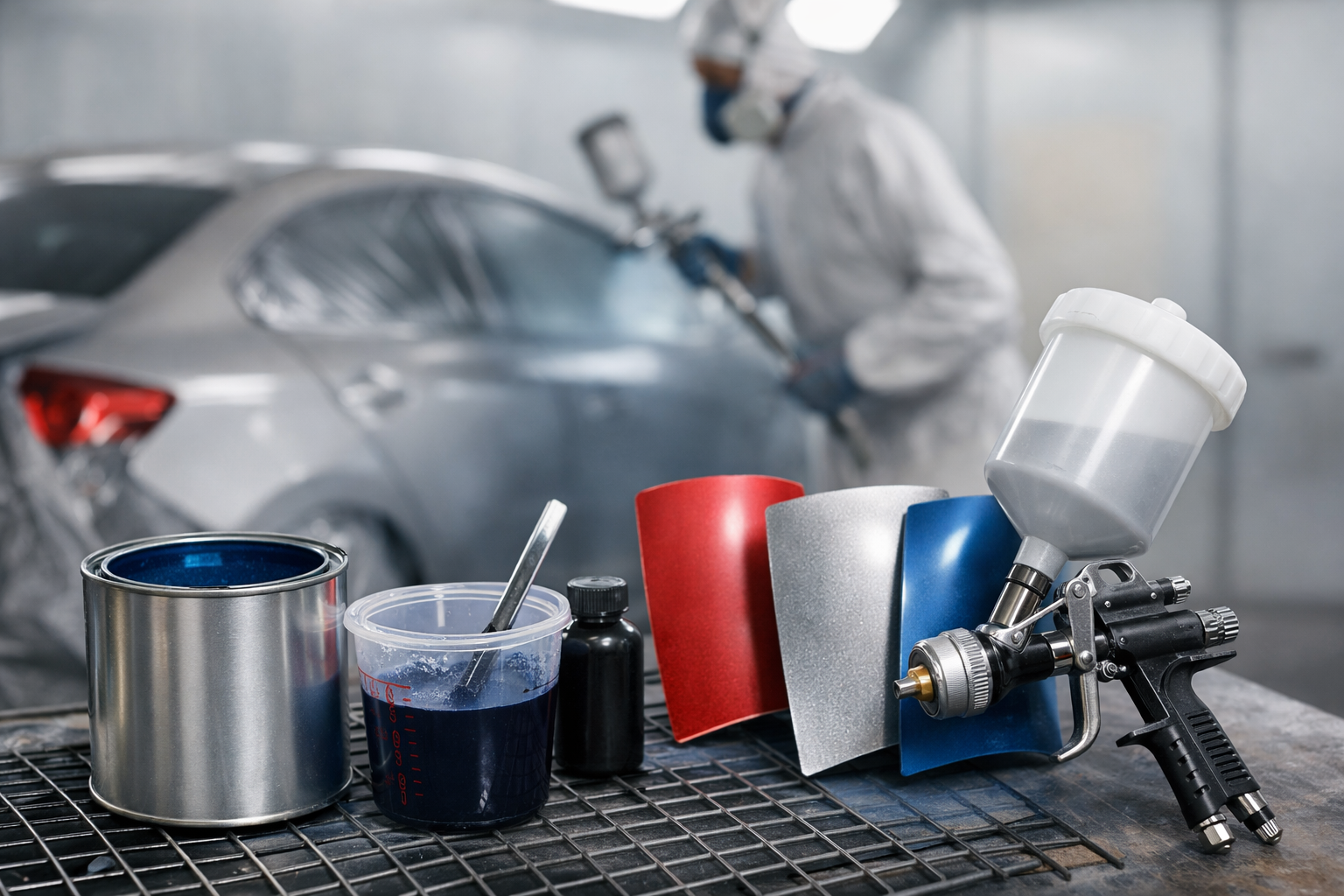
Metallic finishes contain small metal flakes that reflect light and create a shimmering effect. These are commonly used on modern vehicles and require careful spraying to maintain consistent flake distribution.
Pearl finishes use ceramic crystals that produce a deeper, more dynamic color effect that changes depending on lighting conditions. While beautiful, pearl finishes can be more challenging to apply evenly.
Choosing the right finish depends on your aesthetic preference, budget, and painting experience.
Consider Application Method and Equipment
The equipment you use can influence which basecoat is most suitable for your project.
Professional painters typically use high quality spray guns and controlled paint booths. These setups allow for precise application and optimal drying conditions.
DIY painters may work in garages or workshops with basic spray equipment. In these cases, selecting a basecoat designed for easier spraying and forgiving application can improve the final outcome.
Make sure your spray gun nozzle size and air pressure settings match the manufacturer’s recommendations for the paint you choose.
Evaluate Drying Time and Workability
Different basecoat formulas offer varying drying times. Some paints flash quickly between coats, while others require longer intervals.
Faster drying paints can help speed up the painting process, but they may require more experience to avoid uneven coverage or dry spray.
Slower drying formulas provide more time for adjustments and blending, which can be beneficial for beginners or complex paint jobs.
Always follow the manufacturer’s guidelines regarding flash time, number of coats, and curing conditions.
Check Compatibility With Clear Coats
The basecoat and clear coat must work together as part of a complete paint system. Incompatible products can lead to issues such as peeling, cracking, or poor adhesion.
Many manufacturers design their basecoat and clear coat products to function as a matched system. Using products from the same brand can reduce the risk of compatibility problems.
Additionally, proper surface preparation and curing times are essential for ensuring the clear coat bonds correctly to the basecoat layer.
Think About Long Term Durability
Automotive paint is constantly exposed to sunlight, road debris, moisture, and chemical contaminants. Choosing a durable basecoat helps maintain your vehicle’s appearance over time.
High quality basecoats typically include UV resistant pigments and advanced binders that prevent fading and discoloration.
Vehicles parked outdoors or driven frequently in harsh conditions benefit especially from durable paint systems that can withstand environmental stress.
Professional vs DIY Projects
If you are painting an entire vehicle or performing a complex color change, working with a professional body shop may be the best option.
Professional technicians have access to specialized equipment, climate controlled paint booths, and advanced color matching tools that ensure consistent results.
However, many enthusiasts successfully complete smaller projects such as panel repairs or custom parts using DIY methods. In these cases, choosing user friendly basecoat products and carefully following instructions can lead to impressive results.
Final Thoughts
Choosing the right automotive basecoat is essential for achieving a beautiful and long lasting vehicle finish. From selecting the correct color code to evaluating paint quality and compatibility, every decision plays a role in the final appearance of the paint job.
By understanding the different types of basecoats, finishes, and application techniques available, you can make informed choices that improve both the look and durability of your vehicle’s paint. Whether you are restoring a classic car or simply repairing minor damage, investing time in selecting the right materials will pay off with a smoother and more professional result.
Frequently Asked Questions
What is an automotive basecoat?
An automotive basecoat is the colored layer of paint applied over primer and beneath the clear coat in a vehicle paint system. It provides the vehicle’s color and visual effects.
How many coats of basecoat should be applied?
Most automotive paint jobs require two to three coats of basecoat. The exact number depends on the paint type, color coverage, and manufacturer recommendations.
Can I apply basecoat without clear coat?
Basecoat alone does not provide adequate protection or gloss. A clear coat is necessary to seal the paint, enhance shine, and protect the finish from environmental damage.
How long should basecoat dry before clear coat?
Drying time varies depending on the paint formula and environmental conditions. Typically, painters wait 15 to 30 minutes between coats and apply clear coat after the final basecoat has flashed properly.
Is automotive basecoat suitable for DIY painting?
Yes, many automotive basecoats are designed for DIY use. However, proper surface preparation, equipment, and technique are essential for achieving professional results.