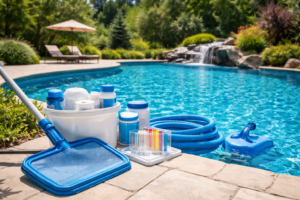
The interior finish of your swimming pool, the plaster is the aesthetic and functional layer that holds the water and gives the pool its shimmering blue color. For homeowners in Austin, maintaining this surface is a constant battle against the elements. The intense Texas heat, hard water, and heavy use can degrade plaster prematurely, leading to rough textures, staining, or even structural delamination. However, resurfacing a pool is a significant expense. The goal for any pool owner should be to maximize the lifespan of the existing finish.
Understanding How to Extend the Life of Your Pool Finish involves a mix of chemistry, physical maintenance, and professional intervention. By adopting a proactive care routine, you can delay the need for expensive pool plaster contractors Austin services and keep your pool looking pristine for years longer than the average lifespan.
1. Water Chemistry: The Silent Killer
The single biggest factor in plaster longevity is water balance. Plaster is a cement-based product. It reacts with the water. If the water chemistry is off, it will either eat the plaster or deposit minerals onto it.
The pH Balancing Act The pH of your pool water should be kept between 7.2 and 7.6.
- Low pH (Acidic): If the pH drops below 7.0, the water becomes acidic and “hungry.” It will leech calcium out of the plaster to satisfy its hunger. This creates a rough, pitted surface known as “etching.” Once plaster is etched, it cannot be fixed without resurfacing.
- High pH (Basic): If the pH rises above 7.8, the water becomes scale-forming. Calcium precipitates out of the water and forms a white, gritty layer on the walls. This is unsightly and can trap dirt, leading to gray or brown stains.
Calcium Hardness Austin has naturally hard water. You must monitor Calcium Hardness levels (ideally 200-400 ppm). If levels get too high, scale forms rapidly. If they get too low, the water becomes aggressive and attacks the plaster.
2. Regular Brushing and Cleaning
It sounds simple, but brushing your pool is vital. Dirt and organic debris (leaves, algae) that settle on the plaster can cause staining if left too long.
- Frequency: Brush the walls and floor at least once a week. This removes the biofilm that protects algae and keeps dirt from embedding in the pores of the plaster.
- Tools: Use a nylon brush for standard plaster or aggregate finishes. If you have severe algae, a stainless steel brush can be used on plaster (but never on vinyl or fiberglass).
3. Managing Cyanuric Acid (Stabilizer)
Cyanuric Acid (CYA) protects chlorine from being burned off by the sun. However, it does not evaporate. It builds up over time as you add chlorine tablets.
- The Danger: High CYA levels (over 100 ppm) can make chlorine ineffective and can actually damage the plaster surface, leading to a condition called “plaster dust” or deterioration. The only way to lower CYA is to drain and refill a portion of the pool water.
4. The Importance of Professional Application
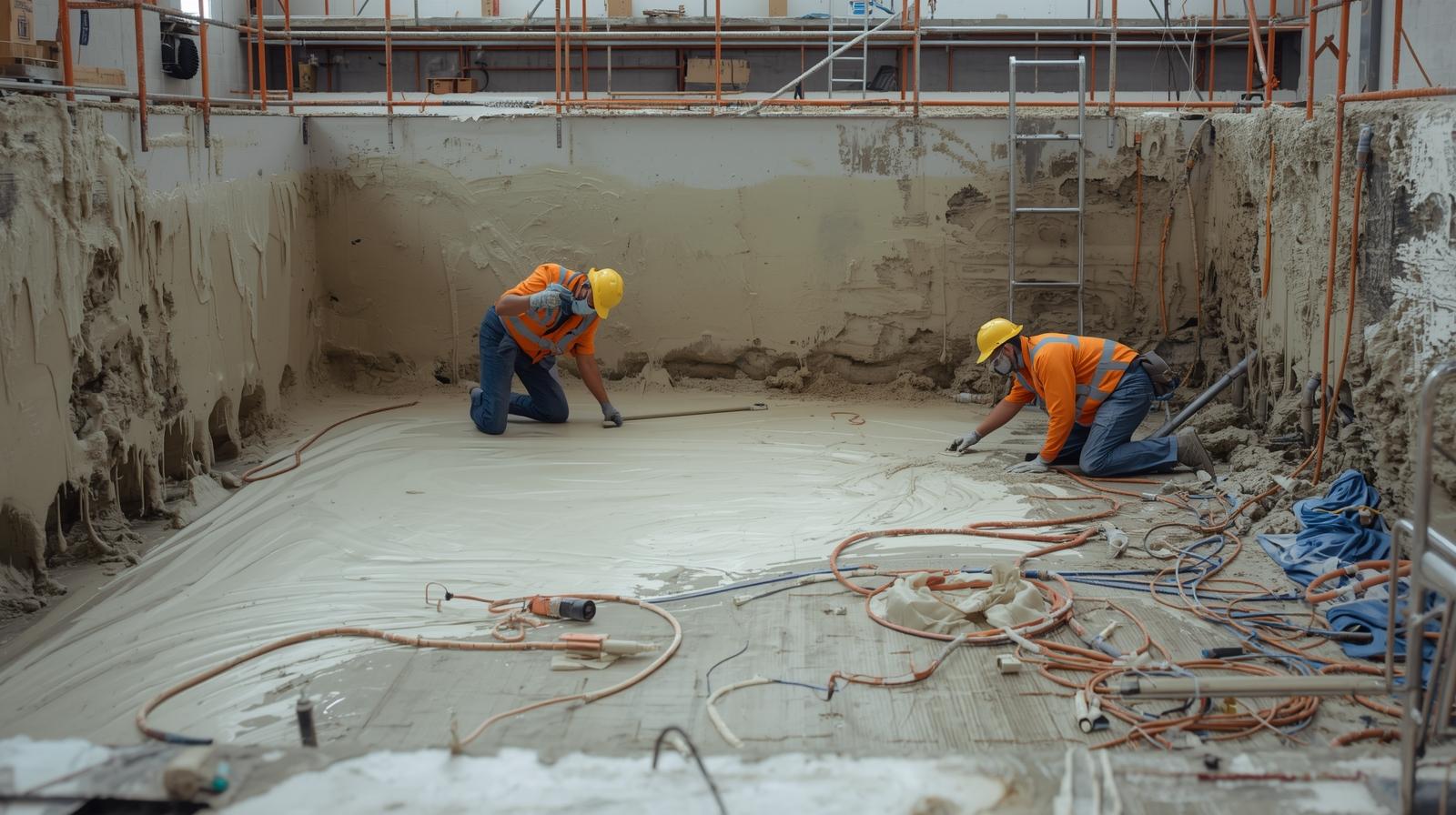
While maintenance is the homeowner’s job, the longevity of the finish starts on the day it is applied. A poor application job will fail regardless of how well you balance the chemicals. Issues like “delamination” (where the plaster separates from the shell) or “check cracking” (tiny spiderweb cracks) are often caused by the contractor mixing the plaster incorrectly or applying it on a day that is too hot or dry.
Regular maintenance and using trusted pool plaster contractors Austin like Clear Solutions can add years to your pool’s finish. Expert application prevents early cracking and erosion. They understand how to cure the plaster properly in the Texas heat, ensuring a strong mechanical bond to the gunite shell.
5. Avoid Draining the Pool Unnecessarily
Plaster is designed to be wet. It hydrates and stays structurally sound when submerged.
- The Risk: If you drain the pool and leave the plaster exposed to the hot sun for days, it can dry out, shrink, and crack. Never drain a pool completely unless absolutely necessary for repairs, and try to do it during cooler months.
6. Address Stains Immediately
If you see a stain, identify it and treat it.
- Organic Stains: Caused by leaves or acorns. These usually bleach out with shock chlorine.
- Metal Stains: Caused by copper or iron in the water. These require a metal sequestrant to lift. Leaving stains allows them to penetrate deeper into the plaster matrix, making them permanent.
Conclusion
Your pool finish is an investment. Standard white plaster should last 7-10 years, while pebble finishes can last 20+ years. By mastering your water chemistry and choosing the right pool professionals for the initial job, you can ensure you get the maximum value out of every year.
FAQ
Q: How often should I test my pool water?
A: In the summer, test pH and chlorine at least twice a week. Test total alkalinity, calcium hardness, and cyanuric acid once a month.
Q: Can I pressure wash my pool plaster?
A: Only if you are careful. High-pressure washing can blast away the cement paste, exposing the rough aggregate underneath. An acid wash is usually a safer and more effective way to clean stained plaster.
Q: Why is my pool plaster rough?
A: Roughness is usually caused by “scale” (calcium deposits) from high pH, or “etching” from low pH. It can also be a sign of age as the smooth cement surface wears away.