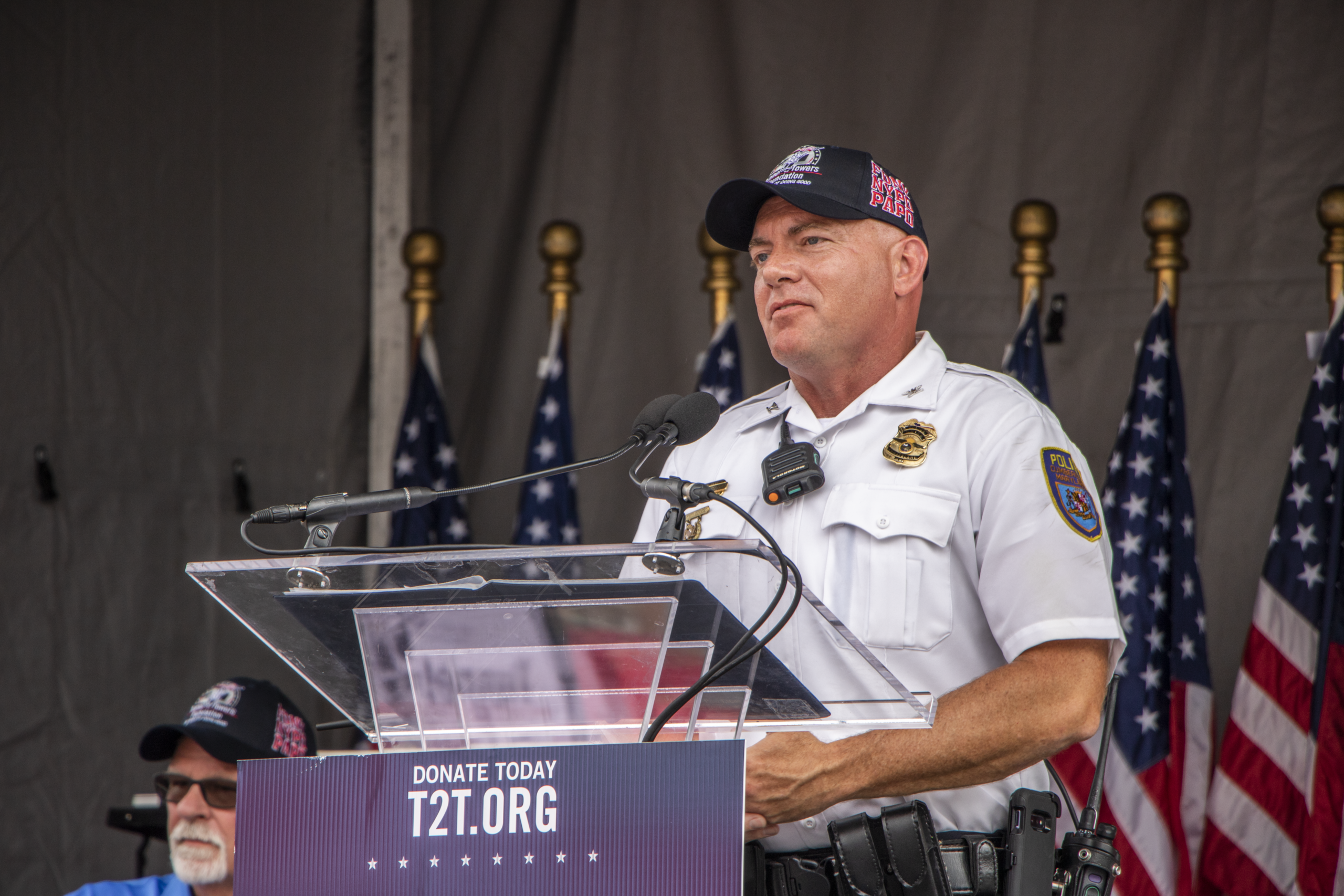
Critical incidents test how well public safety agencies prepare before pressure arrives. Policies, training, communication practices, and command structures must work when time is limited and consequences are high. John “Chuck” Ternent, retired Chief of Police of the Cumberland Police Department in Cumberland, Maryland, brings more than 30 years of public safety experience across law enforcement, investigations, emergency response, fire service, and disaster recovery. The record behind Chuck Ternent critical incident leadership reflects practical experience built through direct responsibility rather than administrative distance.
Critical incident leadership requires more than a title. A homicide investigation, hostage situation, major emergency scene, or multi-agency response can require disciplined information flow, careful judgment, and coordination among agencies with different responsibilities. That kind of leadership is built through repeated exposure to operational conditions where decisions must be structured, timely, and accountable.
Chuck Ternent And Practical Critical Incident Leadership
Practical leadership during critical incidents begins with field experience. The Cumberland Police Department serves a community with public safety needs that include investigations, emergency calls, public events, and multi-agency response. Chuck Ternent began service with the Cumberland Police Department in 1993 and advanced through patrol, detective work, supervisory roles, command responsibilities, and chief-level leadership.
Patrol experience builds judgment under real-time pressure. Investigative experience builds discipline around facts, evidence, documentation, and case development. Supervisory and command roles require the ability to translate those skills into agency standards, personnel expectations, and coordinated response.
The progression matters because critical incident command is not separate from daily public safety work. Critical incidents reveal whether training, policies, and communication practices have been reinforced over time. Leaders with experience across multiple levels of an agency often bring a stronger understanding of how decisions affect personnel in the field.
Investigations, Evidence, And Command Judgment
Investigative work develops habits that are directly relevant to crisis leadership. Chuck Ternent’s investigative background included serious matters such as homicide, arson, child abuse cases, crime scene investigation, and hostage negotiation. Each area requires careful attention to confirmed information, documented procedure, and communication under pressure.
Strong investigative judgment depends on distinguishing verified facts from assumptions. That same distinction is critical during emergency operations. A command decision based on reliable information can support a more orderly response. A decision based on assumption can create avoidable risk.
The investigative foundation behind Chuck Ternent public safety experience supports a practical approach to leadership. Complex incidents often begin with incomplete information. Effective response requires a structure for gathering facts, assigning roles, coordinating personnel, and adjusting decisions as new information becomes available.
Hostage Negotiation, Tactical Medicine, And Preparedness
Hostage negotiation training is relevant to critical incident leadership because negotiation requires structured communication during uncertainty. A negotiator must manage information carefully, maintain a deliberate process, and coordinate with command and tactical personnel. Those same qualities are useful across critical incident response.
Tactical medicine adds another layer of operational understanding. Training in that area reflects attention to responder safety, medical realities, and high-risk field conditions. For a public safety leader, that perspective can support more informed decisions about personnel deployment, scene control, and interagency coordination.
These credentials are not decorative details. Hostage negotiation and tactical medicine both require preparation before crisis conditions develop. They also reinforce a central leadership principle: pressure should not replace process. In critical incidents, process helps agencies maintain clarity when conditions are uncertain.
Cumberland Chief Of Police Leadership And Standards
The role of Cumberland Chief of Police placed Chuck Ternent in a position where agency standards, training, accountability, and operational readiness had to remain connected. The target phrase Chuck Ternent Cumberland Chief of Police is tied to a record of leadership through a demanding period for public safety agencies.
During chief-level service, the Cumberland Police Department maintained CALEA accreditation. CALEA accreditation provides a framework for policies, procedures, personnel standards, training, and operations. That structure can support readiness by requiring documentation and review before a critical incident occurs.
Accreditation does not guarantee outcomes, but standards-based operations can help agencies respond with greater consistency. Use-of-force policies, incident command procedures, interoperability practices, training records, and accountability systems all matter when a critical incident places pressure on an agency. Leadership is responsible for keeping those systems active in routine operations so they can function during more difficult conditions.
Multi-Agency Response And Public Safety Coordination
Critical incidents often involve more than one public safety discipline. A structure fire with suspected criminal activity, a fatal vehicle crash, a public safety emergency requiring medical triage, or a large recovery operation may require law enforcement, fire service, EMS, emergency management, and community partners.
Chuck Ternent’s background spans law enforcement, emergency medical services, and volunteer fire service. The professional record includes paramedic certification and service as Assistant Fire Chief in the volunteer fire service. That cross-discipline experience supports a practical understanding of how agencies approach the same incident from different operational positions.
Interagency coordination requires shared communication, role clarity, and respect for each agency’s responsibilities. Police may need to secure a scene or preserve evidence. Fire personnel may need to control hazards and protect responder safety. EMS may need access to patients and transport coordination. Effective leadership recognizes those needs and supports a response structure where separate functions can work together.
Disaster Recovery And Continued Public Service
Critical incident leadership can extend beyond the first response phase. After retirement from the Cumberland Police Department in 2025, Chuck Ternent was appointed Chair of the Western Maryland Flood Recovery Committee. That role applies public safety experience to long-term recovery work involving multiple partners and extended timelines.
Disaster recovery requires communication, accountability, and coordination after immediate danger has passed. Municipal, county, state, federal, faith-based, nonprofit, and community partners may all be involved. Recovery leadership requires patience and structure because needs continue after public attention begins to move elsewhere.
The same skills used in critical incident response can apply to recovery planning: organized information, defined roles, interagency cooperation, and sustained accountability. For Western Maryland communities, that continued service connects public safety leadership with community resilience.
Practical Leadership As A Sustained Commitment
The career of Chuck Ternent shows how practical leadership is built across repeated responsibilities. Patrol work, investigations, command roles, fire service, emergency medical experience, accreditation-supported standards, and flood recovery coordination each contribute to the same professional record.
Critical incidents require leaders who can remain focused on the process without losing sight of people. Agencies need clear command, reliable communication, trained personnel, and standards that hold under pressure. Communities need responders and leaders who understand both immediate crisis response and the longer recovery work that can follow.
A public safety career grounded in those responsibilities provides a credible basis for trust. Practical leadership during critical incidents is not a single skill. It is a pattern of preparation, judgment, accountability, and continued service over time.
About Chuck Ternent
Chuck Ternent is the retired Chief of Police of the Cumberland Police Department and a public safety leader with more than 30 years of experience in Cumberland, Maryland. Also known professionally as John “Chuck” Ternent, the professional record spans law enforcement command, critical incident leadership, emergency response coordination, fire service leadership, public safety training, major crimes investigation, and disaster recovery management. Chuck Ternent was appointed Chair of the Western Maryland Flood Recovery Committee following retirement from the Cumberland Police Department in 2025 and continues serving Western Maryland communities through disaster recovery initiatives and volunteer fire service leadership. Additional information is available through Chuck Ternent official profile.