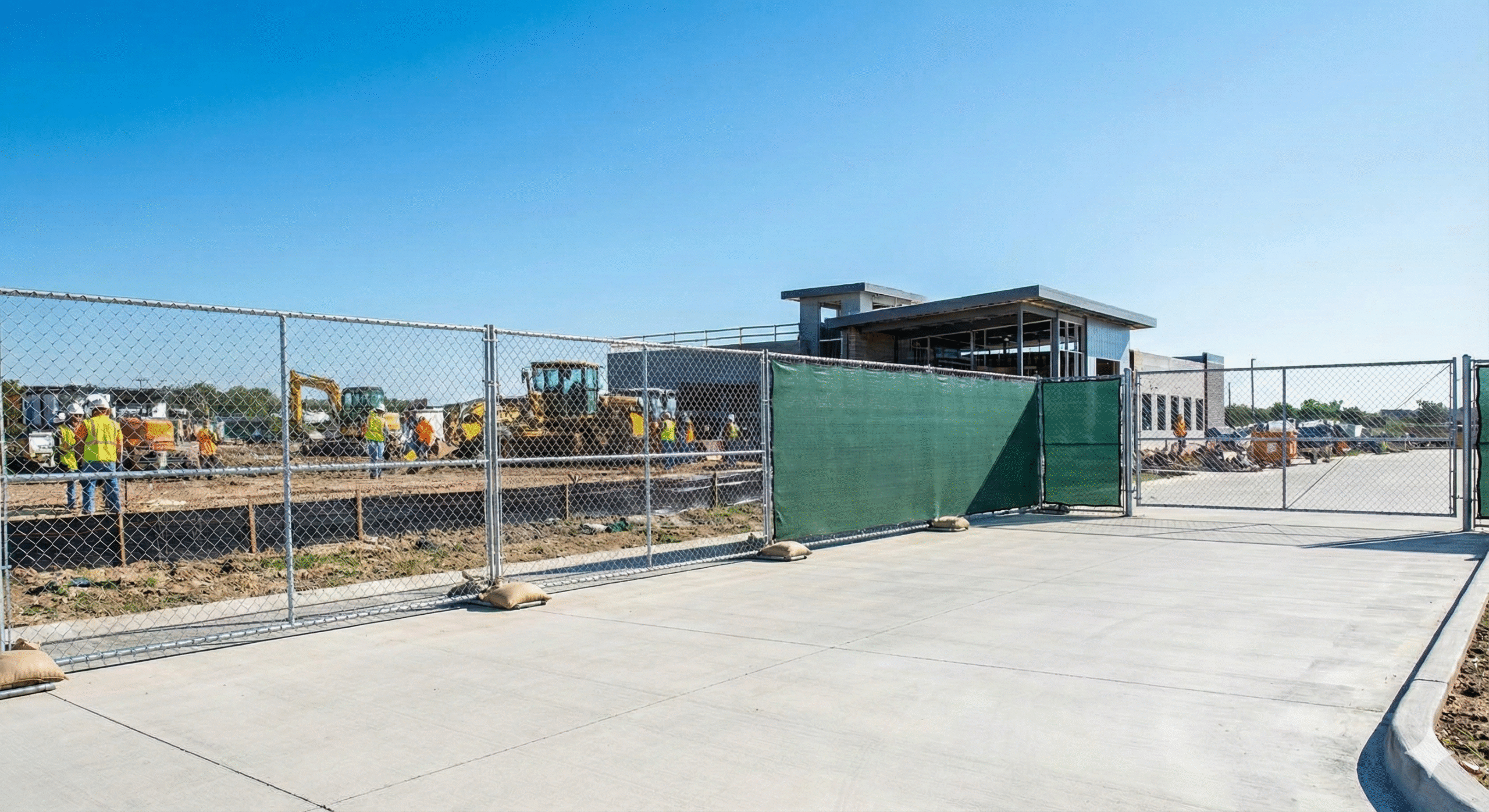
When planning a large-scale construction project, a music festival, or a private outdoor gathering, the perimeter is often the first line of defense. It defines boundaries, secures valuable equipment, and ensures public safety. However, purchasing thousands of feet of fencing for a short-term need is rarely cost-effective. This is where the strategic advantage of a Master Fence Rental comes into play.
Understanding the logistics of temporary fencing involves more than simply erecting a barrier. It requires a deep understanding of safety regulations, selecting the right materials for the terrain, and ensuring seamless installation. This guide covers everything you need to know about securing your site with professional rental solutions, ensuring your project remains safe, compliant, and on schedule.
The Critical Importance of Site Security
In the construction and event industries, an unsecured site is a significant liability. Without a robust perimeter, you expose your project to theft, vandalism, and serious safety hazards. Industry reports consistently highlight that equipment theft costs the construction sector millions of dollars annually. A sturdy, well-maintained temporary fence acts as both a psychological and physical deterrent against unauthorized entry.
Beyond theft prevention, liability is a major concern. If a civilian wanders onto an active construction site and sustains an injury, the project owners are often held responsible. A professionally installed rental fence ensures you are meeting local regulations and OSHA compliance regarding site control. By establishing a clear “Master Fence Rental” strategy, you effectively mitigate these risks before breaking ground.
Types of Temporary Fencing Solutions
Not all fences serve the same purpose. The terrain, duration of the project, and specific security goals will dictate the type of barrier required.
Chain Link Panel Fencing
This is the industry standard for most construction sites and short-term events. These panels typically stand six or eight feet tall and are connected using clamps. They are supported by weighted stands, often reinforced with sandbags. Because they are not driven into the ground, they are the ideal solution for concrete or asphalt surfaces where digging is impossible. They offer flexibility, allowing site managers to adjust the perimeter as the project evolves.
Post-Driven Fencing
For long-term construction projects located on dirt, grass, or gravel, post-driven fencing offers superior stability. In this method, poles are pounded deep into the ground, creating a fence that is extremely difficult to knock over. This is often the preferred choice for projects lasting six months or longer, as it withstands severe weather conditions better than panel stands.
Crowd Control Barricades
These are lower, interlocking steel barriers often seen at parades, concerts, or ticket lines. They are not designed to stop determined intruders but are essential for guiding foot traffic. They maintain order at events, prevent overcrowding in sensitive areas, and protect equipment from accidental bumps by the public.
Privacy Windscreens
There are times when blocking the view of the site is just as important as blocking access. You might need to protect expensive materials from prying eyes or keep construction dust contained within the work zone. Adding a privacy windscreen to a chain-link fence instantly upgrades the security and professional appearance of the site, turning a chaotic work zone into a tidy operation.
The Logistics of Renting: What to Expect
Navigating the rental process requires preparation. To get the most accurate quote and the best service for your Master Fence Rental, you need to provide specific details about your site parameters.
- Linear Footage: You must measure the total perimeter accurately.
- Gate Requirements: Determine if you need double-swing gates for heavy machinery and separate pedestrian gates for workers.
- Project Duration: Rental costs are frequently determined by time. Knowing your timeline helps in negotiating better rates for long-term needs.
- Terrain Analysis: Be explicit about whether the installation is on a slope, grass, or pavement, as this dictates the equipment the install crew must bring.
An experienced rental provider does more than drop off materials. They assess these factors to ensure the fence remains upright during high winds or storms, securing the site effectively.
Safety and Compliance Standards
Adopting a “master” level approach to fencing means adhering to strict safety standards. If a temporary fence falls, it can cause significant damage to parked vehicles, equipment, or pedestrians. Professional installers utilize specific bracing techniques and weights to stabilize panels against wind loads.
Furthermore, local municipalities often have strict codes regarding temporary structures. Some cities require permits for fences that encroach on public sidewalks or exceed certain heights. Partnering with a knowledgeable rental company ensures that you do not face fines or work stoppages due to non-compliance with local zoning laws.
Selecting the Right Partner
The market offers many rental options, but quality varies significantly. When evaluating a provider, look for transparency in pricing, the quality of the galvanized steel used, and a track record of timely delivery. Construction schedules are incredibly tight; a delay in fence installation can push back excavation or demolition, causing a ripple effect of costly delays.
It is also vital to ask about emergency services. If a storm knocks down your perimeter in the middle of the night, you need a rental partner who will respond immediately to re-secure the site. To understand how quickly our fleet can reach your specific project site, you can view our regional coverage to estimate response times.
Temporary fence rental provides versatile solutions for safety, security, and event organization. Choose an experienced partner like Master Fence Rental for reliable results.
Cost Factors to Consider
Budgeting for fencing is a critical part of project management. Several variables will influence the final price tag of your rental.
- Volume: Generally, the more linear footage you rent, the lower the price per foot becomes.
- Add-ons: Accessories such as privacy screens, debris netting, gates, and wheels for panels will increase costs.
- Emergency Install: Last-minute requests often incur rush fees due to the logistical strain.
- Damage Waivers: Construction sites are rough environments. Panels get bent and stands get run over. Strict contracts may charge you for every dent, so discussing damage waivers upfront is a smart financial move.
Installation and Removal Protocols
The primary benefit of renting is that labor is typically handled by the provider. The installation crew will arrive, offload the panels, and secure the perimeter according to the site plan. This allows your team to focus on the actual construction or event planning.
Removal is just as important as installation. Once the project is complete, you want the site cleared quickly to prepare for the final inspection or grand opening. A reliable company coordinates the pickup efficiently so you are not left with barriers blocking your finished driveway or landscaping.
Conclusion
Securing your site is not an area where you should cut corners. Whether you are managing a high-rise build, a residential renovation, or a weekend community fair, the perimeter sets the tone for the safety and organization of the entire operation. By understanding the types of fencing available and the logistics involved in the rental process, you can ensure your project runs smoothly from start to finish.
Prioritize safety, ensure compliance, and choose a rental partner that understands the urgency of your timeline. With the right Master Fence Rental strategy, you protect your assets, your reputation, and your people.
Frequently Asked Questions (FAQs)
Q: Do I need a permit for a temporary fence rental?
A: This depends heavily on your specific location and municipality. If the fence blocks a public right-of-way (like a sidewalk) or is above a certain height, many cities require a permit. Always check with your local building department or ask your rental provider for guidance.
Q: Can I install the rental fence myself to save money?
A: While some companies allow “will-call” pickups where you install the materials yourself, it is generally not recommended for large sites. Professional installation ensures the fence is stable, wind-resistant, and liability-compliant, saving you risks in the long run.
Q: How tall are standard temporary fence panels?
A: The most common heights are 6 feet and 8 feet. 6-foot panels are standard for residential construction and events, while 8-foot panels offer higher security for commercial sites and equipment storage areas.
Q: What happens if the fence gets damaged during the rental period?
A: The renter is usually responsible for damages beyond normal wear and tear. If a panel is crushed by a bulldozer, you will likely have to pay for the replacement. Many companies offer a damage waiver for a small fee to cover accidental damage.
Q: How quickly can a fence be installed?
A: Most professional rental companies can install hundreds of linear feet in a single day. However, it is best to book your rental at least one week in advance to ensure inventory availability and proper scheduling.