When a swimming pool begins to show its age, homeowners are faced with a choice. Does the pool simply need a facelift, or does it require major surgery? The terminology in the industry can be confusing. “Resurfacing,” “replastering,” “remodeling,” and “renovation” are often used interchangeably, but they refer to very different scopes of work with vastly different price tags.
Understanding Pool Renovation Company Austin vs. Replastering: What’s the Difference? is crucial for setting a realistic budget and expectation for your backyard project. This guide breaks down the distinction to help Austin homeowners make the right decision for their property.
Replastering (Resurfacing): The Facelift
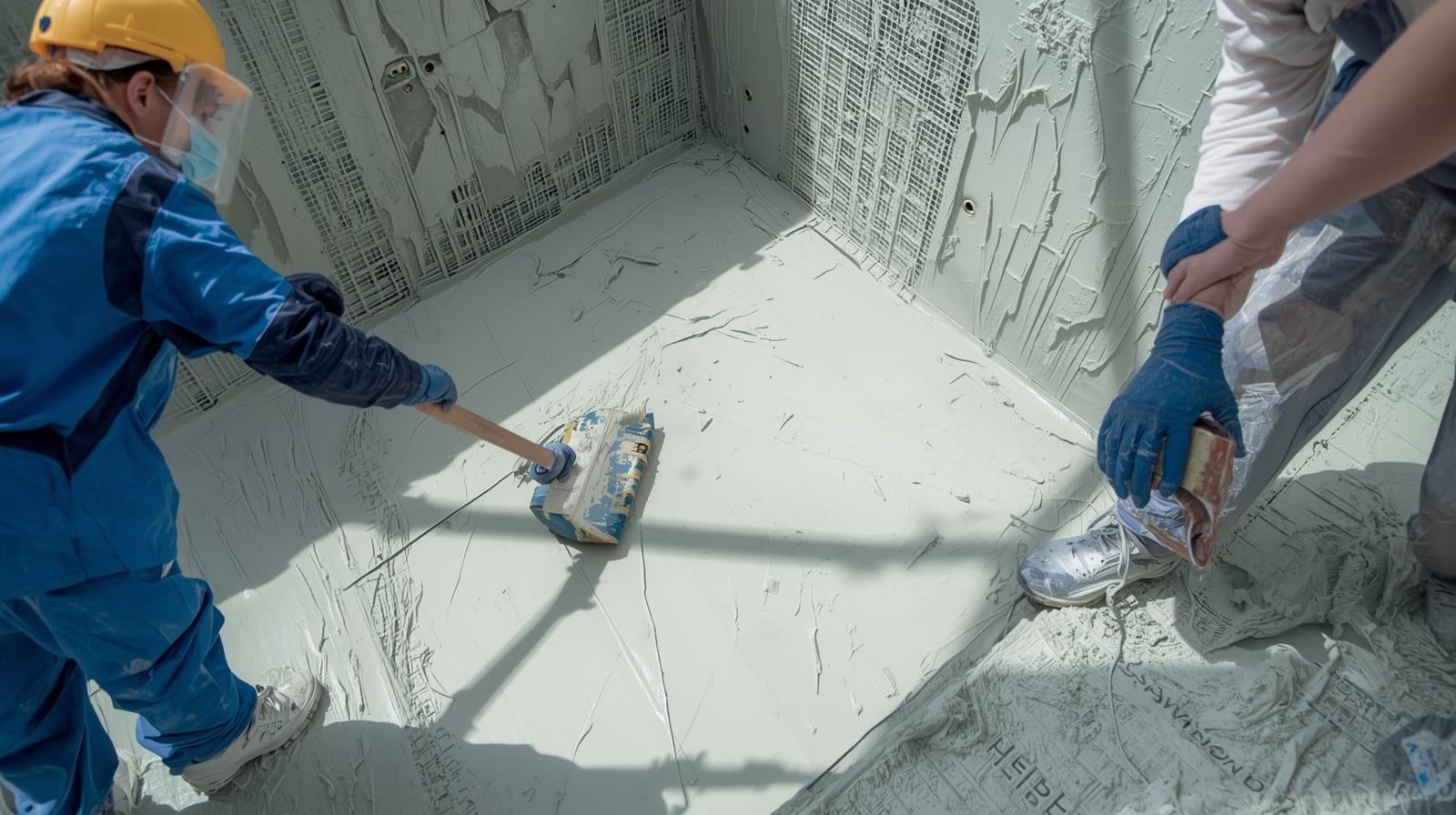
Replastering is strictly a cosmetic maintenance procedure. It focuses solely on the interior waterproof coating of the pool.
- The Process: The water is drained. The old surface is prepared (usually by chipping out loose areas or hydroblasting). A new layer of plaster, quartz, or pebble finish is applied. The pool is filled and chemically balanced.
- When to do it: You choose this option when the pool equipment and structure are fine, but the surface is rough, stained, or peeling. It restores the look of the water and the feel of the surface.
- Cost: This is the lower-cost option. It is a necessary maintenance item every 10-20 years.
Renovation (Remodeling): The Transformation
Pool renovation goes beyond the surface. It involves changing the structure, the aesthetics, or the functionality of the pool environment. It is about upgrading the pool to modern standards.
1. Structural Changes
This could involve changing the depth of the pool (e.g., filling in a deep diving end to make a play pool), adding a spa where there wasn’t one, or constructing a “Baja shelf” (tanning ledge) for lounge chairs. It requires excavation, steel reinforcement, and gunite work.
2. Aesthetic Overhaul
Renovation often includes replacing the “coping” (the stone edge around the pool) and the “waterline tile.” It might also involve ripping out the old concrete deck and installing new pavers or travertine. Adding water features like sheer descents, waterfalls, or bubblers also falls under renovation.
3. Equipment Upgrades
A renovation is the perfect time to address the mechanical heart of the pool.
- Pumps: Swapping old single-speed pumps for energy-efficient variable-speed pumps.
- Lighting: Replacing incandescent bulbs with color-changing LED systems.
- Automation: Installing smart systems that allow you to control the pool from a smartphone.
When to do it: You choose renovation when the pool feels dated, the equipment is inefficient, or your lifestyle needs have changed (e.g., grandkids need a shallow area).
Determining Which You Need
The decision often comes down to budget and goals.
- Budget: A simple replaster might cost $$5,000 – $\$10,000$. A full renovation can easily run $$20,000 – $$50,000+ depending on the scope.
- Disruption: Replastering takes a week. Renovation can take 4 to 8 weeks and turns your backyard into a construction zone.
The Role of Inspection
Sometimes, the decision is made for you. If a contractor drains the pool for a replaster and finds a structural crack in the shell, a renovation (structural repair) becomes mandatory.
Not sure if you need a full overhaul or just a surface update? A leading pool renovation company Austin, Clear Solutions offers both options depending on your pool’s condition and goals. They can inspect the shell, test the equipment, and give you an honest assessment. If the tile and coping are in good shape, they won’t try to upsell you on replacing them. If the pump is 15 years old and leaking, they will explain the ROI of replacing it now while the pool is down.
The Value Proposition
Both options add value, but in different ways.
- Replastering maintains the asset. It prevents the pool from becoming a liability (leaking) and keeps it usable.
- Renovation improves the asset. It can significantly increase the resale value of the home by modernizing the outdoor living space and improving energy efficiency.
Conclusion
Whether you choose a simple resurface to brighten up the water or a full renovation to create a modern resort, the key is hiring a contractor who specializes in both. They can guide you through the pros and cons, helping you allocate your budget where it will have the most impact on your enjoyment and your home’s value.
FAQ
Q: Can I just paint my pool instead of replastering?
A: You can, but it is not recommended. Pool paint typically only lasts 1-2 years before peeling and chalking. It is a short-term band-aid, whereas plaster is a long-term solution.
Q: Do I have to replace the tile when I replaster?
A: No, but it is often a good idea. The old tile might be damaged during the chipping out process. Also, new bright plaster often makes old, faded tile look even worse by comparison.
Q: How long does a renovation take?
A: It depends on the scope. A replaster takes days. Adding a spa or changing the shape takes weeks due to the curing time of the new concrete.