Clean drinking water is one of the most important parts of a healthy home. While many homeowners assume their tap water is good enough, concerns about taste, odor, minerals, and contaminants often lead families to look for better filtration options. One of the most trusted solutions is a reverse osmosis system.
For homeowners in Toledo, reverse osmosis systems can be a smart investment for improving water quality at the point of use. These systems are designed to remove unwanted impurities and provide cleaner, better-tasting water for drinking and cooking. If you are considering this type of filtration system for your home, it helps to understand how it works, what benefits it offers, and what to consider before installation.
What Is a Reverse Osmosis System?
A reverse osmosis system is a water filtration system that uses pressure to push water through a semipermeable membrane. This membrane is designed to block many impurities while allowing cleaner water to pass through. The result is filtered water with reduced levels of dissolved solids, contaminants, and unwanted particles.
Most residential reverse osmosis systems also include several stages of filtration before and after the membrane. These may include sediment filters, carbon filters, and a final polishing filter. Together, these components help improve water clarity, taste, and odor.
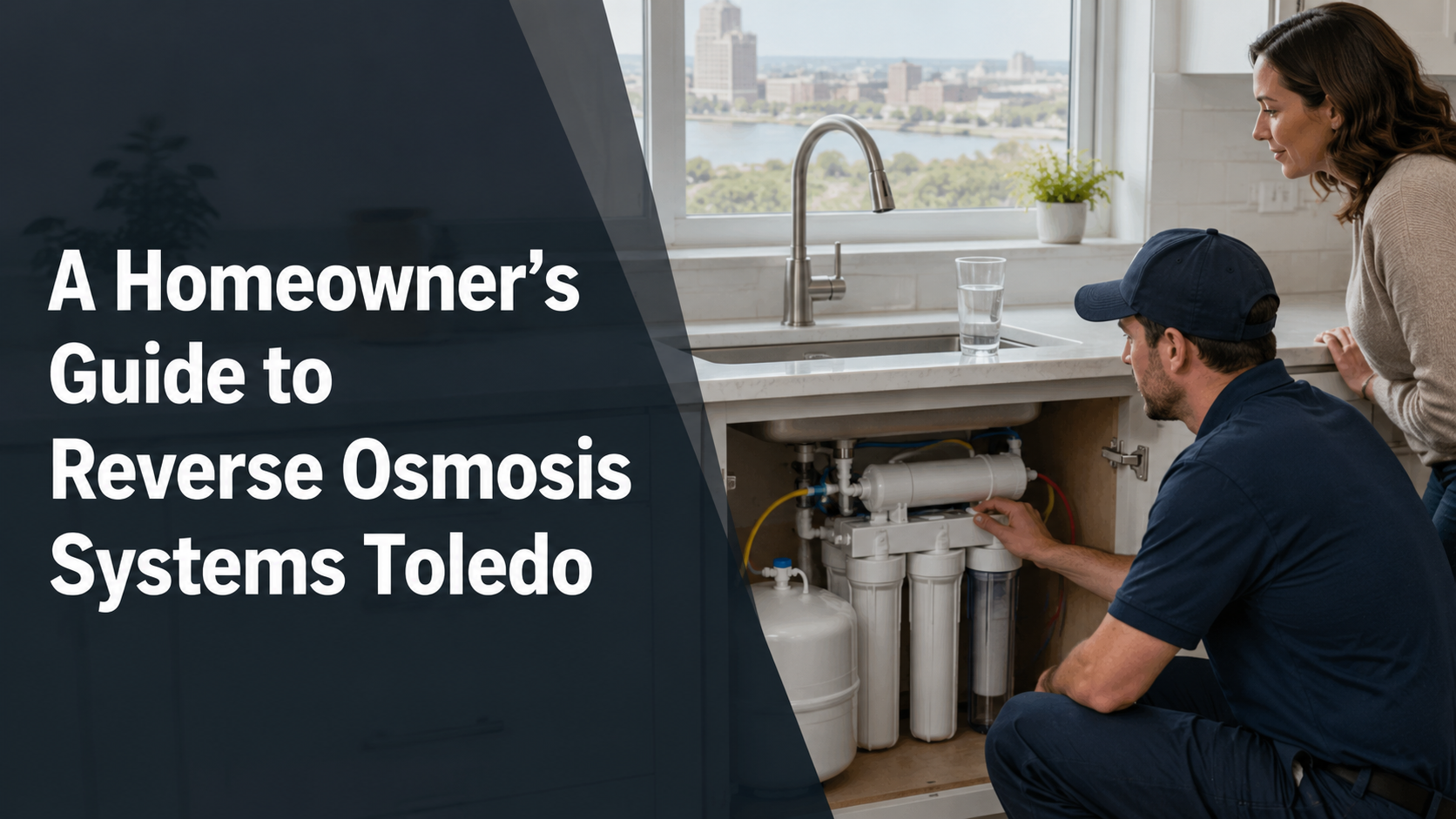
Reverse osmosis systems are commonly installed under the kitchen sink and connected to a dedicated drinking water faucet. Some homeowners also use them with refrigerator water lines or other specific applications where high-quality filtered water is important.
Why Homeowners in Toledo Consider Reverse Osmosis
Water quality concerns vary by location, but many homeowners in Toledo want extra peace of mind when it comes to what their family drinks every day. Even when municipal water meets safety standards, people may still notice issues such as chlorine taste, unpleasant odor, or hard water minerals.
A reverse osmosis system can help address many of these concerns. It offers a practical way to improve the quality of drinking water without relying on bottled water. This can make daily life more convenient while supporting healthier habits at home.
Some homeowners also choose reverse osmosis because they want better-tasting coffee, tea, soups, and meals. Since water is used in so many parts of cooking and drinking, improving its quality can make a noticeable difference.
How Reverse Osmosis Systems Work
Understanding the process can help homeowners feel more confident about the investment.
Pre-filtration stage
Before water reaches the reverse osmosis membrane, it usually passes through a sediment filter and one or more carbon filters. These stages help remove dirt, rust, chlorine, and other particles that could affect performance.
Reverse osmosis membrane
The membrane is the core of the system. It removes many dissolved solids and impurities by allowing only water molecules and a limited number of smaller substances to pass through.
Storage tank
Because reverse osmosis filtration takes time, most systems store the filtered water in a tank. This ensures clean water is readily available when you turn on the faucet.
Final filter
Before dispensing, water often passes through a final carbon filter. This helps polish the water and improve taste even more.
Benefits of Reverse Osmosis Systems
There are several reasons why reverse osmosis is a popular choice for residential water filtration.
Better taste and odor
One of the first things homeowners notice is the improvement in water taste. Reverse osmosis systems can reduce chlorine and other substances that affect flavor and smell.
Reduced contaminants
These systems are designed to reduce many common impurities, including certain dissolved solids, metals, and chemicals. The exact performance depends on the system and the condition of the incoming water.
Convenience
Instead of buying bottled water regularly, homeowners can enjoy filtered water directly from their sink. This saves time and reduces plastic waste.
Improved cooking and beverages
Cleaner water can make a difference in the taste of food and drinks prepared at home.
Cost savings over time
While there is an upfront installation cost, many families find that a reverse osmosis system reduces their reliance on bottled water and other temporary solutions.
Choosing the Right System for Your Home
Not all reverse osmosis systems are the same. Homeowners should look at several factors before deciding which one is right for their needs.
Water quality concerns
Start by identifying the specific issues you want to address. Some homeowners are mainly focused on taste, while others want to reduce specific impurities.
System capacity
Different systems produce different amounts of filtered water per day. A larger household may need a system with greater capacity.
Available space
Most systems fit under a kitchen sink, but sizes vary. It is important to confirm that the installation area has enough room for the filters and storage tank.
Maintenance requirements
Reverse osmosis systems need regular filter changes and occasional membrane replacement. Understanding the maintenance schedule can help you plan ahead.
Professional installation
Having a qualified professional install the system can help ensure it works properly and fits your plumbing layout.
Why Professional Guidance Matters
A reverse osmosis system is not just about choosing a product off the shelf. Proper selection and installation play a major role in long-term performance. A water treatment professional can assess your water quality, recommend the right system, and make sure the installation is done correctly.
Reverse osmosis systems Toledo is an essential service that improves water safety, quality, and efficiency in homes and businesses. Learn what it means for your family and how to make the right choice.
Working with a local expert can also make maintenance easier. If filters need replacement or the system needs service, it helps to have someone nearby who understands your setup and local water concerns.
Common Maintenance Needs
A reverse osmosis system is effective, but it is not a set-it-and-forget-it solution. To keep it working well, routine maintenance is important.
Replace pre-filters and post-filters
Sediment and carbon filters usually need to be replaced on a scheduled basis, often every several months depending on use and water conditions.
Replace the membrane when needed
The reverse osmosis membrane lasts longer than standard filters, but it still needs replacement over time.
Sanitize the system
Periodic sanitation helps keep the system clean and functioning properly.
Watch for performance changes
If water flow slows down or taste changes, it may be time for service or replacement parts.
Is Reverse Osmosis Right for Every Home?
Reverse osmosis can be an excellent option for many homeowners, but the right choice depends on your goals and water conditions. If your main concern is better-tasting water for drinking and cooking, it may be a great fit. If you want whole-house treatment for hard water or other broad issues, you may need additional systems alongside reverse osmosis.
That is why testing and professional recommendations are so helpful. The best water solution is one that matches your household’s real needs rather than a one-size-fits-all approach.
FAQs
What does a reverse osmosis system remove?
A reverse osmosis system can reduce many dissolved solids, impurities, and substances that affect water taste and quality. The exact contaminants reduced depend on the system design and source water.
Is reverse osmosis water safe to drink?
Yes, properly filtered reverse osmosis water is generally considered safe for drinking and cooking when the system is installed and maintained correctly.
How often do filters need to be changed?
This depends on the system and water usage, but many filters need replacement every several months, while membranes often last longer.
Can a reverse osmosis system be installed under any sink?
Many systems are designed for under-sink installation, but available space and plumbing setup should be checked first.
Does reverse osmosis help with bad-tasting water?
Yes, one of the main benefits is improved taste and odor, especially when chlorine and other unwanted substances are reduced.
Conclusion
A reverse osmosis system can be a valuable upgrade for homeowners in Toledo who want cleaner, better-tasting water at home. It offers a practical way to reduce many common impurities while improving the quality of water used for drinking and cooking.
Before choosing a system, take time to understand your water concerns, compare options, and talk with a qualified professional. With the right setup and proper maintenance, a reverse osmosis system can provide long-term convenience, confidence, and better water for your family.