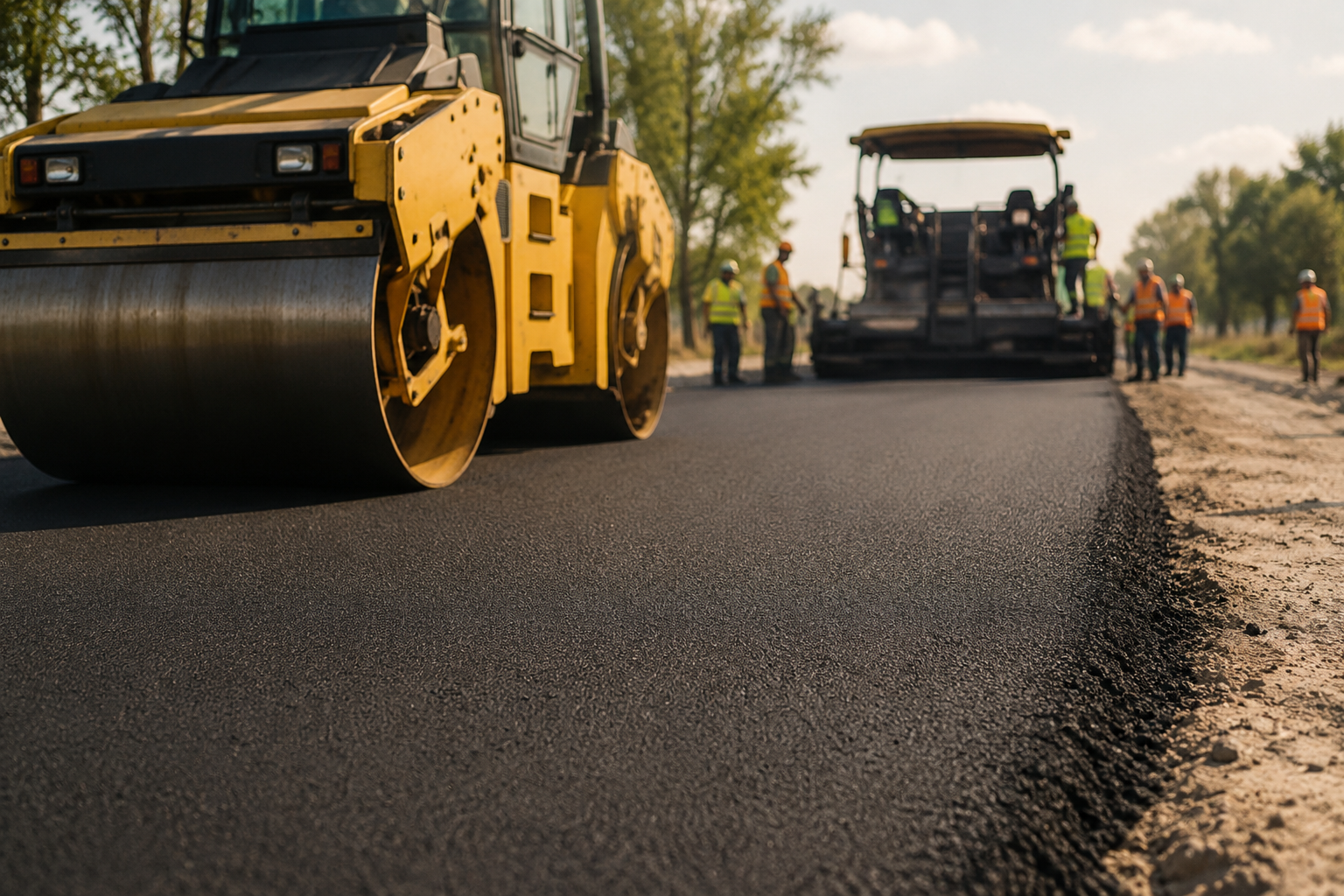
Why Proper Asphalt Paving Matters
Asphalt surfaces experience constant stress from vehicles, moisture, sunlight, and temperature fluctuations. Poor installation practices often lead to premature cracking, potholes, drainage problems, and costly repairs.
Professional Asphalt Paving Cape Coral services focus on creating a strong foundation, using quality materials, and following proven installation techniques. These practices help maximize pavement lifespan while reducing maintenance expenses.
A well-installed asphalt surface offers:
- Improved curb appeal
- Enhanced property value
- Better vehicle safety
- Reduced maintenance costs
- Long-term durability
- Effective water drainage
Property owners who prioritize quality paving practices often enjoy years of dependable performance from their pavement investments.
Start with Proper Site Evaluation
Every successful paving project begins with a detailed site assessment. Before construction starts, contractors evaluate existing conditions to identify potential issues that could affect pavement performance.
Important factors include:
- Soil stability
- Drainage patterns
- Traffic volume
- Existing pavement conditions
- Utility locations
- Surface grading
Professional contractors use this information to determine the appropriate pavement thickness and construction methods. Proper planning helps avoid future structural problems.
Many experienced paving professionals, including those serving nearby regions through a paving company Naples, understand that site preparation is one of the most critical aspects of long-lasting pavement.
Focus on Strong Subgrade Preparation
The subgrade serves as the foundation beneath the asphalt. Even the highest-quality asphalt mix can fail if the base underneath is weak or improperly prepared.
Best practices include:
Soil Stabilization
Unstable soil should be corrected before paving begins. Contractors may compact existing soil or add stabilization materials to improve strength.
Proper Grading
The subgrade should be graded to promote effective drainage. Standing water is one of the leading causes of pavement deterioration.
Thorough Compaction
Compaction eliminates air pockets and increases load-bearing capacity. Properly compacted soil helps prevent settling and uneven surfaces.
A strong foundation supports the long-term success of any Asphalt Paving Cape Coral project.
Use High-Quality Aggregate Base Materials
The aggregate base layer provides additional structural support between the subgrade and asphalt surface.
Quality base materials should:
- Be properly graded
- Offer excellent compaction characteristics
- Resist movement under heavy loads
- Support effective drainage
The thickness of the aggregate base depends on the intended use of the pavement. Commercial parking lots and roadways generally require thicker base layers than residential driveways.
Investing in quality base materials significantly improves pavement durability and performance.
Choose the Right Asphalt Mix
Not all asphalt mixtures are created equal. Different projects require specific mix designs based on anticipated traffic loads, climate conditions, and performance expectations.
Professional Asphalt Paving Cape Coral contractors select asphalt blends that provide:
- Adequate flexibility
- Resistance to rutting
- Weather durability
- Long service life
Using the appropriate asphalt mix ensures the surface can withstand local environmental conditions while maintaining structural integrity over time.
Known for durability and long-term performance, Asphalt Paving Cape Coral supports property owners with reliable pavement solutions year-round.
Ensure Proper Drainage Design
Water is one of asphalt pavement’s biggest enemies. Poor drainage can accelerate deterioration and significantly reduce pavement lifespan.
Best drainage practices include:
Maintaining Correct Surface Slopes
Pavement should direct water away from structures and traffic areas.
Installing Drainage Features
Catch basins, swales, and drainage systems may be necessary for larger projects.
Preventing Standing Water
Water should not accumulate on the pavement surface after rainfall.
Proper drainage reduces the risk of cracking, erosion, and foundation damage.
Follow Proper Asphalt Placement Procedures
The installation process plays a major role in pavement quality. Experienced crews follow strict procedures to ensure consistent results.
Key installation practices include:
- Maintaining proper asphalt temperatures
- Applying asphalt at the correct thickness
- Using professional paving equipment
- Achieving uniform surface appearance
- Coordinating paving operations efficiently
Attention to detail during placement helps create a smoother and more durable finished product.
Prioritize Compaction
Compaction is one of the most important stages of asphalt paving.
Without proper compaction, pavement may develop:
- Premature cracking
- Surface deformation
- Water infiltration
- Reduced lifespan
Contractors use specialized rollers to achieve optimal density throughout the pavement structure.
Successful Asphalt Paving Cape Coral projects typically involve multiple compaction passes to ensure a strong and uniform surface.
Schedule Paving During Favorable Conditions
Weather conditions can significantly affect paving quality.
Best practices include avoiding paving during:
- Heavy rain
- Excessive moisture
- Extremely cold temperatures
Warm, dry conditions generally allow asphalt to compact properly and achieve optimal performance.
Experienced contractors carefully monitor weather forecasts before scheduling major paving projects.
Implement Regular Maintenance
Even high-quality pavement requires ongoing maintenance to maximize lifespan.
Recommended maintenance practices include:
Sealcoating
Sealcoating helps protect asphalt from UV exposure, moisture penetration, and chemical spills.
Crack Sealing
Small cracks should be repaired promptly before water enters the pavement structure.
Pothole Repairs
Addressing minor damage early prevents larger and more expensive repairs.
Routine Inspections
Regular evaluations help identify issues before they become significant problems.
Property owners who maintain their pavement consistently often enjoy decades of reliable service.
Known for durability and long-term performance, Asphalt Paving Cape Coral supports property owners with reliable pavement solutions year-round.
Work with Experienced Professionals
Choosing the right contractor can make a significant difference in project outcomes.
When evaluating paving companies, consider:
- Industry experience
- Local knowledge
- Equipment quality
- Project portfolio
- Customer reviews
- Licensing and insurance
Many property owners compare multiple contractors before selecting a provider for their Asphalt Paving Cape Coral needs.
A reputable contractor understands local conditions and follows industry best practices throughout every phase of the project.
Some businesses also evaluate regional expertise from a trusted paving company Naples when seeking contractors familiar with Southwest Florida’s unique climate and pavement challenges.
Long-Term Benefits of Following Best Practices
Investing in proper paving methods offers numerous long-term advantages.
Benefits include:
- Extended pavement lifespan
- Improved safety
- Reduced repair expenses
- Better drainage performance
- Enhanced appearance
- Higher property value
When best practices are followed from initial planning through ongoing maintenance, asphalt surfaces can provide exceptional performance for many years.
Known for durability and long-term performance, Asphalt Paving Cape Coral supports property owners with reliable pavement solutions year-round.
Conclusion
Successful Asphalt Paving Cape Coral projects rely on more than simply laying asphalt. Proper site evaluation, strong base preparation, quality materials, effective drainage, professional installation, and routine maintenance all contribute to long-lasting results.
Property owners who understand these best practices are better positioned to protect their investments and enjoy durable pavement that performs reliably year after year. By partnering with experienced professionals and prioritizing quality workmanship, residential and commercial property owners can achieve pavement surfaces that combine functionality, appearance, and longevity.
Frequently Asked Questions
How long does asphalt pavement typically last?
With proper installation and maintenance, asphalt pavement can last 15 to 30 years or longer depending on traffic levels and environmental conditions.
Why is drainage important for asphalt pavement?
Proper drainage prevents water from penetrating the pavement structure, reducing the risk of cracks, potholes, and premature deterioration.
How often should asphalt be sealcoated?
Most asphalt surfaces benefit from sealcoating every two to three years, depending on usage and weather exposure.
What causes asphalt cracks?
Common causes include aging, water infiltration, temperature changes, heavy traffic loads, and poor installation practices.
Is professional installation worth the investment?
Yes. Professional contractors follow industry best practices that improve pavement durability, appearance, and long-term performance.